


Faulkner Buick GMC Harrisburg

Blog

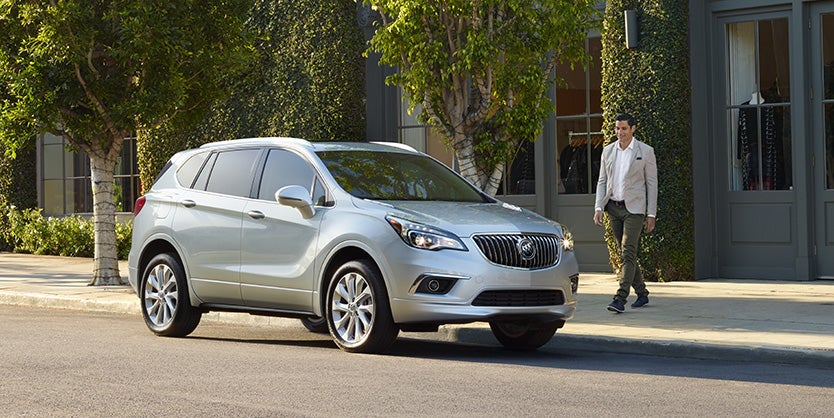
2017 Buick Envision

2017 Buick Envision | Faulkner Buick GMC | Harrisburg, PA

SUVs used to be major gas guzzlers, making them more of a choice based on style than efficiency. But in recent years, auto makers have tried much harder to have their SUVs deliver better fuel economy - a serious win for SUV fans. One SUV that is a decent pick for fuel economy is Buick's 2017 Envision. One problem many are facing right now, however, is a drop in fuel economy due to the winter season. Even the 2017 Envision that usually sees fairly decent marks in fuel economy can easily take a cold-weather fuel hit. But what exactly is the reason behind lower fuel economy during the winter months, and is there anything that can be done about it? Continue reading to learn more.

Why Fuel Economy Drops in Winter

First things first, why does fuel economy drop in winter? There's no one reason why fuel economy drops in winter, instead, there are several. Some of them are:

Idling

In cold temperatures, many choose to let their engines idle so it can "warm up" before actually driving. Unfortunately, the only purpose idling your engine serves is to waste gas while simply sitting there. In truth, your car's engine will warm up faster in cold weather if you go ahead and start driving as soon as you start the ignition.

Tire Pressure

You may not realize it, but tire pressure affects your fuel economy. Tires that are inflated properly will get much better fuel economy than tires that are under-inflated. Why exactly? When tires are under-inflated, too much of the tire's surface touches the ground. As a result, they are harder to roll along the road. In order to make them roll, your engine has to use more energy. This cases more gas to be burned and fuel economy to drop. To get the most mpg, check your tire pressure regularly.

Higher Electrical Components

You may love all the extra electronics your car comes with - USB ports, Bluetooth, heated seats - but for every system you are using while on the road, your car's electrical system is put into overdrive. In order to provide these accessories with the necessary power, your vehicle has to burn more fuel. As a result, your fuel economy takes a hit.

How to Improve Fuel Economy in Winter

Now that you know a few of the culprits for why your fuel economy decreases in winter, yo are probably wondering what, if anything, you can do about it. The best way to achieve better fuel economy in winter is by being more mindful of your driving habits. Here are some tips:

Speed Limit

Speeding is never a good idea. It's dangerous for you and others, it can lead to expensive traffic tickets, and guess what, it can also lead to a drop in fuel economy. The faster you drive, the faster fuel is burned, so if you're looking to increase fuel economy in winter, following the speed limit is your best bet.

Don't Idle

As previously mentioned, letting your engine idle decreases fuel economy. Whether you're waiting while the engine warms up before venturing on the road, are waiting in car line at your child's school, or spending a few single minutes in a drive-thru line, all of these idling scenarios lead to a drop in fuel economy. The solution to this is to turn off your engine. Not only will fuel economy increase, but you'll be doing mother nature a favor.

Combine Trips

Every time you start a cold engine, it burns fuel. This is why it's a good idea to combine your trips so less fuel is burned. Running errands will allow your engine to remain warm as you drive from store to store, while separating your trips into different days can lead to more fuel burned and a drop in fuel economy.

Want to learn more about the 2017 Buick Envision, or more automotive tips? Just drop by our dealership in Harrisburg, PA.
Recommended Posts

2017 Buick Verano Faulkner Buick GMC Harrisburg, PA

2017 Buick Verano

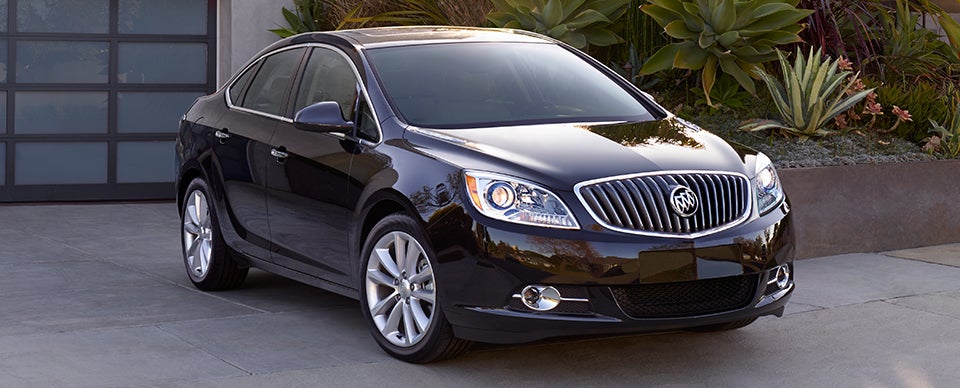
Top Reasons to Opt for a New Car Like the 2017 Buick Verano Buick brings luxury to the small-car class with their 2017 Buick Verano. With it you can enjoy a refined ride that's both comfortable and composed, a quiet cabin, and a lengthy list of user-friendly features. But as nice as the Verano is, it can be hard to decide whether you should invest in a brand-new car, or one that is used. While both have their pros and cons, there are some reasons why opting for a new car may be the smarter choice. Here's why: They Come with WarrantiesBuying a car - new or used - is a huge investment. Wouldn't you like to have some extra protection standing by so if something were to go wrong, you would be taken care of? This is the great thing about buying a car brand new - they come with warranties. This means that if something breaks or fails to work as it's supposed to, you can have it replaced or fixed at no cost to you. Common new-car warranties, include: Powertrain: 10 years or 100,00 milesVehicle: 5 years or 60,000 milesRust: 7 years with unlimited mileageRoadside assistance: 5 years with unlimited mileage They're Safer As you can probably imagine, the newer the car, the safer it will be. Not only have cars come a long way in more durable materials and stronger safety equipment, but they now also come with a plethora of advanced safety systems and features. These advanced technologies increase driver awareness, and in some cases, they even slow down or brake your car for you to reduce the risk of a collision. Some of these features include: Blind-spot monitoringForward-collision warningLane-departure and cross-traffic warningAutomatic brakingRearview and surround-view cameras What also makes new cars more safe is that they are required to go through vigorous crash testing by agencies like the Insurance Institute of Highway Safety (IIHS). These tests range from front and side-impact protection to whiplash protection. They're More Reliable It's true you can luck out and get a used car that doesn't give you a bit of trouble. But there's no doubt that a new car is definitely the more reliable choice. Since all parts are brand new, the chance of being stranded on the side of the road is very slim. In turn, you won't have to shell out lots of money on repairs. A new car will also be more reliable in terms of interior materials and tech gadgets because they likely won't suffer damage or be in need of repairs for some time. They Have the Latest and Greatest Technology Another area where new cars surpass those that are used is in technology. As fast as technology enhances, used vehicles can feel out of date. But with new cars, you can ensure you are awarded with all of the latest and greatest items. Most new vehicles offer a wide variety of tech content with everything from Bluetooth and Internet connectivity to interfaces with large screens and audio systems with satellite and HD radio. And don't forget, technology also includes all of the newest advanced safety systems and features as mentioned earlier. For more information on the 2017 Buick Verano, and for all your automotive needs, visit our dealership in Harrisburg, PA.

2017 GMC Yukon Faulkner Buick GMC Harrisburg, PA

2017 GMC Yukon Off Road Maintenance Tips

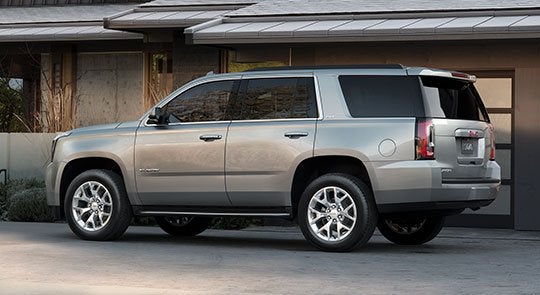
Important Steps to Take Before Venturing Off-Road Unlike most modern SUVs, the 2017 GMC Yukonis a truck-based vehicle. Do you know what this means? What it means is that you can enjoy the strong utility provided by an SUV, but can also tackle everything from towing heavy loads to rugged off-road trails. If you're the adventurous type and are looking for an SUV that's capable of off-road excursions, the newest Yukon on the market is a winning choice. But before you venture off road, here are some important steps to take first. Check Fluids One of the first things to do before hitting the trails is to pop the hood and check all fluid levels - coolant, oil, windshield washer fluid, power steering fluid, brake fluid, etc. Top off any fluids that are running low. Also check for any signs of leaks and have them fixed prior to your trip. Inspect Tires Whether venturing over rocky trails or mucking through dirty mud, you will need tires that can tackle these sorts of terrains. This I why it is always important to give your tires (and the spare) a good inspection before going off-road. Be sure your tires are inflated with the proper amount of air and also have good treads that can grip the off-road surfaces you will be driving on. Check ShocksWhen rolling over uneven trails, you can definitely expect some bumping and jostling along the way. But too much can not only hurt your body (though you may not feel it until the next day), but it can also cause damage to your vehicle. Having your shocks checked prior to heading off-road is a good idea so injury and damage will be avoided. Bring Extra Fuel Yo may head off-road with a full tank of gas, but you never know how long your good time will roll - or how much fuel it may burn. To ensure you can make it back on-road near gas stations, etc., it's wise to bring a container of fluid with you just in case. Be sure to store your fuel outside of your vehicle to avoid fumes and other potentially dangerous situations. Warn Others of Your Plans Before your journey, it's a good idea to tell those close to you about your plans - where you're going, when you're leaving, and so on. This way, if anything goes wrong and you get stranded, others will know of your whereabouts. Pack the Essentials Heading onto unknown paths can lead you into all sorts of potential "what ifs". So pack the essentials just in case. An extra set of clothes, some toilet paper, a phone charger, and flashlight. You will also want to bring along food and drinks - even on short trips. Examples include: bottled water, energy bars, sports drinks, and dried fruit. Emergency Supplies When off-roading, always expect the unexpected. This being said, be sure to bring along some emergency supplies. This includes everything from a tool kit to first aid/emergency kit. Here are some worthy supplies to have at hand: WrenchScrewdriverJumper cablesBlanketsFlashlight/batteriesAntibiotic ointment/sprayBandaidsAspirin or other pain reliever To learn more about the rugged 2017 GMC Yukon, and for all of your automotive needs, visit our dealership in Harrisburg, PA.

2017 GMC Terrain Compact SUV Faulkner Buick GMC Harrisburg.{S

Boost Fuel Economy 2017 GMC Terrain

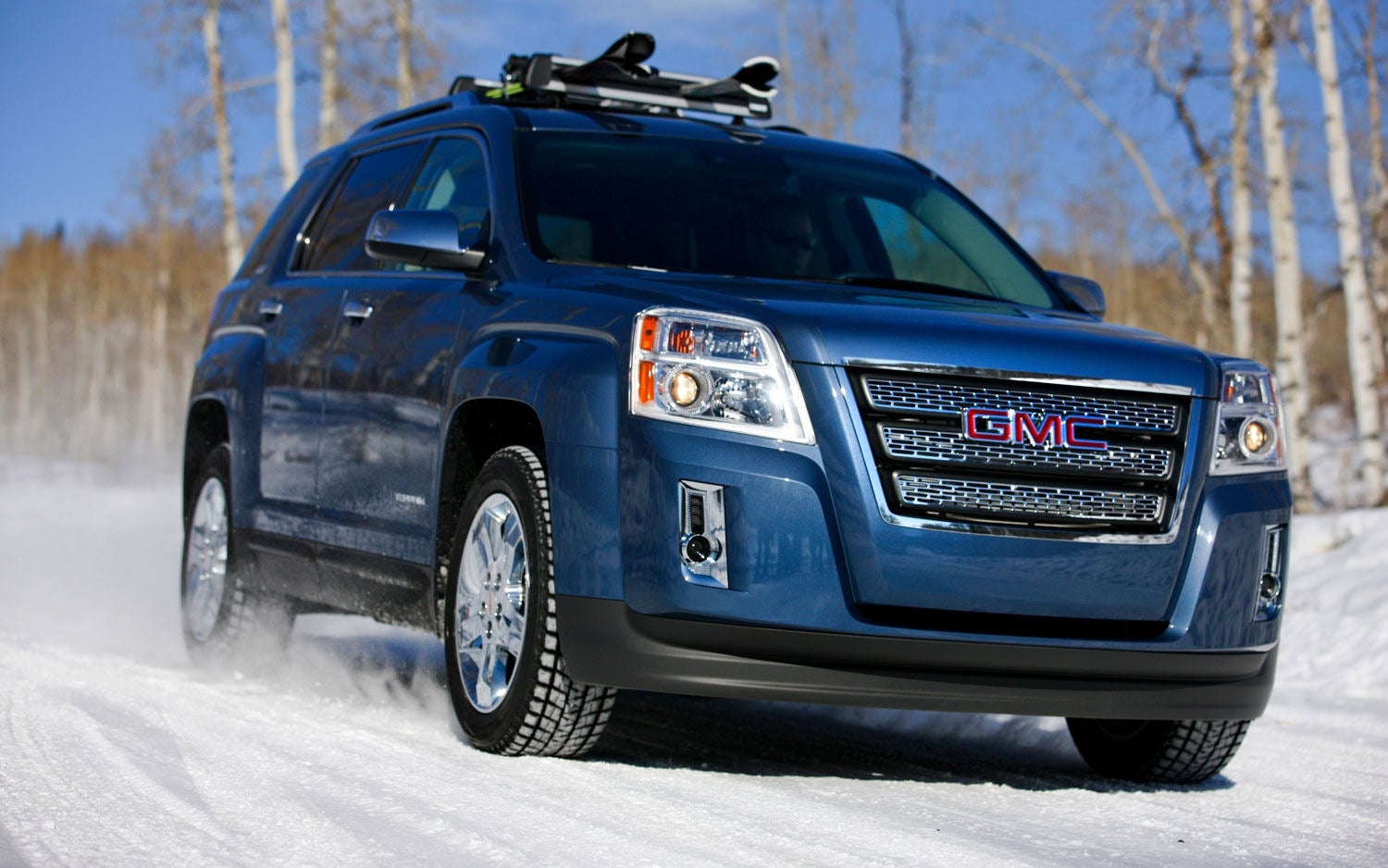
Top Ways to Boost Fuel Economy in a Compact SUV Year after year, consumers just can't seem to help falling for the 2017 GMC Terrain. Why you ask? Well, for starters, as a compact SUV, it offers great space with a large backseat that slides and reclines for added comfort, a quiet interior, and a super supple ride even on rough roads. Its content list is also impressive with everything from remote engine start and heated front seats to driver memory settings and adjustable power liftgate. Though the latest Terrain to hit the 2017 lineup year doesn't see many changes, it's hard not to love it just the same. If you've only ever had smaller vehicles, like compact sedans and hatchbacks, your largest concern about making the switch to an SUV is most likely fuel economy - a completely viable reason! While it is true that SUVs aren't the best in fuel efficiency (unless they're a hybrid, of course), automakers have made great strides in improving them. Not only that, but there are many things you can do yourself to increase fuel economy - and they are very easy to do! Here are the top ways to boost your fuel economy when opting for a compact SUV like the 2017 GMC Terrain. Drive Reasonably Take a moment to consider what kind of driver you are. Are you someone who is cautious and calm behind the wheel? Or are you someone who thinks life is a race the second you step behind the wheel and often feel the fury of road rage crawling up your spine? If you fall into the aggressive driver category, then you aren't just causing unsafe conditions for you and others on the road, but you are actually causing your gas tank to take a negative hit. Aggressive driving - speeding, rapid acceleration and braking - can lower your gas mileage by up to 30% at highway speeds and up to 40% in stop-and-go traffic. Avoid Roof-Top Cargo The more aerodynamic a vehicle is, the more fuel efficient it will be. You may not be able to change the exterior design of your vehicle, but you can avoid doing things that increase aerodynamic drag. One way is by eliminating roof-top cargo. Sure, roof-top cargo boxes can be great when needing to tote along more than your vehicle can hold, but it does come at a price. Due to their large, blunt shape, they make your vehicle much less aerodynamic and cause a negative blow to fuel economy. If you have to use items like these, opt for rear-mounted cargo boxes instead because they won't cause as big of a hit on fuel. Also, be sure to remove all external cargo containers from your vehicle when not in use. This will ensure savings in gas and money. Don't Idle Letting your car's engine idle is a quick way to burn through gallons of fuel while just sitting there. While it isn't always possible to avoid idling, there are definitely times when you can, such as when you are sitting in the carline at your kids school or in a never-ending drive-through line at a pharmacy or fast-food chain. A good rule to follow to save gas is to turn off your engine if you will be idling for longer than one minute. Use Cruise Control On long stretches of highway and hours spent on the road, cruise control can be one of the most wonderful features your vehicle has. Not only can it keep your leg from falling asleep, but it can also make your entire journey more relaxing and enjoyable. But did you know it can help save fuel? Many believe that using cruise control will cause more gasoline to be burned. False! Actually, cruise control saves fuel because it puts less stress on your engine by keeping your vehicle at one set speed. To learn more about the top-selling 2017 GMC Terrain, and for more automotive tips, visit our dealership in Harrisburg, PA.