



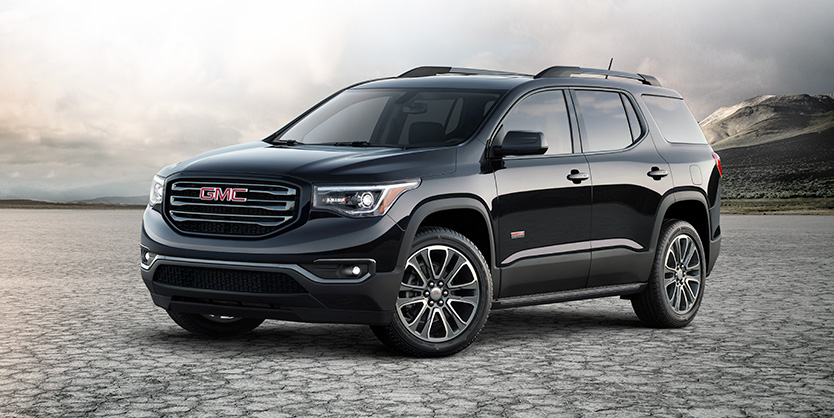
During the months of winter, temperatures drop, wind increases, and there’s a pretty good chance of waking up to the world covered in a blanket of white snow. Snow can be pretty to look at, even fun to play in, but it can lead to dangerous situations when driving. Sure, driving a new SUV, like the 2017 GMC Acadia Limited, comes with many advanced safety features – frontal-collision warning, lane-departure warning and rear cross-traffic alert to name a few. And it can even be equipped with snow tires for increased traction on winter roads. But with all of the mistakes drivers make behind the wheel, tools and equipments, like these can only increase safety so much. So what mistakes are you making that are putting you at risk of danger when driving in snowy conditions? Here’s a look at the most common errors you may be making.
Not Being Prepared
Even if you have driven in snow a million times, those first few times you drive in it each winter can be tricky. This is because you are out of the swing of the extra precautions required. Another reason is because you are not prepared. While you may have to remaster your snow-driving techniques, one thing you can do to be prepared for driving in snow is to ensure your car is ready for the weather ahead. The best ways to prep your car for winter include checking tire treads, antifreeze levels, and battery power, and also making sure the defroster and rear window defogger work. You can also prepare for winter roads by keeping a bag of sand or cat litter in your car for extra traction if your tires are stuck in slipper snow.
Following Too Closely
Another mistake drivers make is following too closely to other cars. While this is dangerous in good weather conditions, it is even more dangerous in snowy conditions. Driving too closely reduces your reaction time if there’s a problem with the vehicle ahead of you and you need to sow down suddenly. For better safety when driving in winter weather, you should double – even triple – the normal distance between yo and the car ahead of you.
Slamming on Brakes
A sudden slip of your car’s tires and the first instinct you have is to slam on the brakes. Unfortunately, this is actually the opposite of what you should do. Instead of helping your tires gain traction in a slippery situation, traction is actually decreased. This causes your wheels to lock up and the ability to control your car to vanish. Instead of slamming on the brakes, here’s what you should do. When you feel your tires begin to skid, ease off the accelerator and let your car slow down on its own. Moving tires are still able to provide some traction with the road, which is what you need to be able to steer yourself out of a collision.
Speeding
One of the biggest errors made when driving in snow is speeding – especially on the highway. Driving too fast reduces the amount of time yo have to react to on-road situations. It also increases the severity of a collision. When braking on icy or snow roads, it takes up to 10 times longer to stop than it does on roads that are dry. This being said, you should reduce your speed when temperatures are near freezing and snow begins to fall.
Expecting Too Much From Four-Wheel Drive
Vehicles that come with four-wheel drive typically perform better when driving in snowy and icy driving conditions. But don’t let this lead you into believing it will make you invincible on winter roads. Four-wheel drive is used to send a certain amount of torque to each of your car’s tires in order to provide them with extra traction to move through snowy roads. But four-wheel drive will not provide the traction your tires need to brake your car – a key element of safe driving.
For more information on the 2017 GMC Acadia Limited, and for all of your automotive needs, visit our dealership in Harrisburg, PA.
Connect with us
